
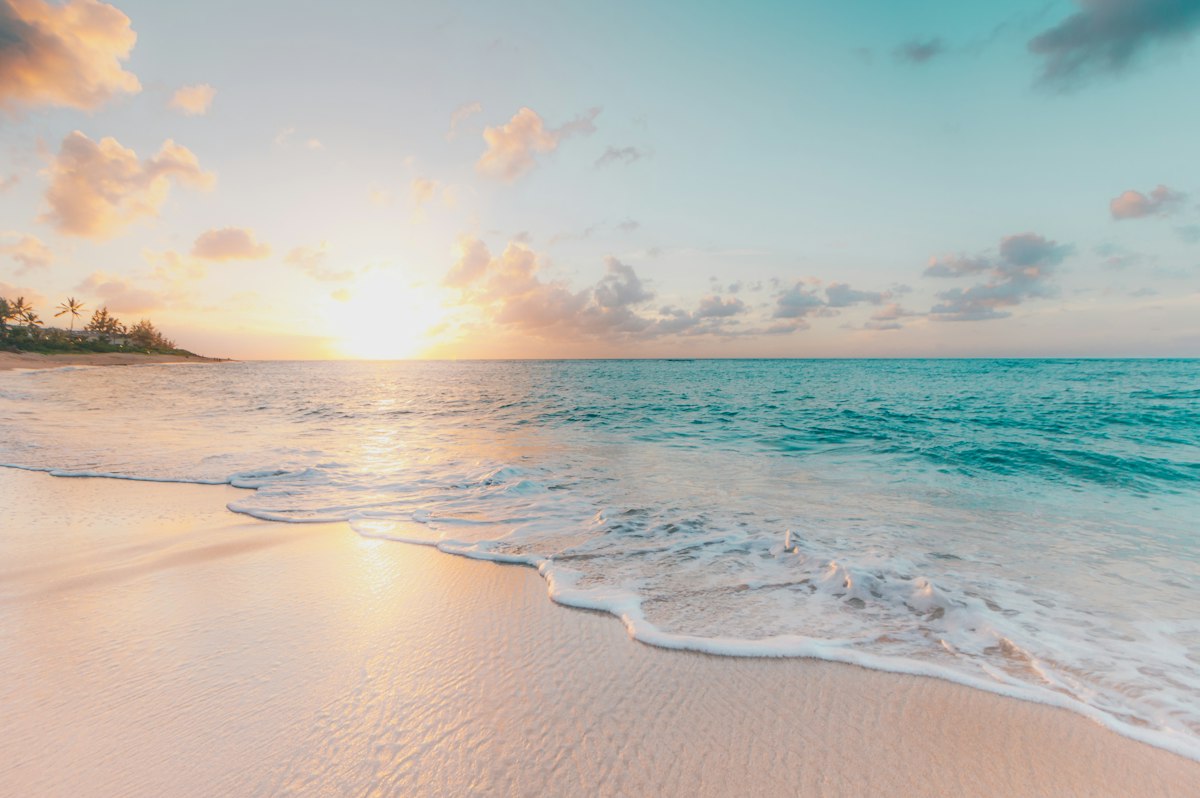
The Wild Side of Devon
If you've spent any time around Exeter, you'll know the South Devon coast well — the red cliffs, the Jurassic Coast, the gentle estuary towns. But head north, and Devon changes completely. The North Devon coast is wilder, bigger, louder. The Atlantic rolls in uninterrupted, the beaches are vast, and the landscape has a raw, untamed quality that makes the South coast feel positively polite by comparison.
A day trip to North Devon from Exeter is one of the best things you can do with a free Saturday. It's roughly ninety minutes of driving through rolling countryside, and you arrive at some of the finest beaches in England. Whether you're after surfing, cliff walks, harbour towns, or simply a proper fish supper with a view, North Devon delivers.
And here's the thing about road trips: they're one of the best ways to actually spend time with people. You're in a car together, music on, no distractions, conversation flowing. The journey itself becomes part of the day. By the time you arrive, you've already had the kind of unhurried catch-up that's hard to manufacture over a quick coffee.
Getting There From Exeter
The route is straightforward. Take the M5 north to Junction 27, then follow the A361 — known locally as the North Devon Link Road — all the way to Barnstaple. From Barnstaple, the coast is just fifteen to twenty minutes further. The whole journey from Exeter to Croyde takes about an hour and a half in normal traffic, though summer weekends can add time, particularly on the single-carriageway stretches of the A361.
The Link Road was upgraded in recent years, making the drive considerably smoother than it used to be. It's a pleasant enough journey through Mid Devon countryside — green hills, sheep, the occasional village. Not dramatic, but easy.
Leave early on summer weekends. The A361 can get busy from mid-morning, and car parks at Croyde and Woolacombe fill up fast. Arrive mid-morning at the latest and you'll have your pick of spots. Out of season, you'll have the place largely to yourself.
If you don't have a car, you can reach Barnstaple from Exeter by train on the Tarka Line. From there, Stagecoach's 21A runs from Barnstaple to Croyde in about forty minutes, and Woolacombe is reached on the 31 from Ilfracombe — check Traveline before you go, because reaching both beaches in one day by bus means changing. It's doable as a public transport day trip, but a car gives you the freedom to hop between beaches.
Croyde: The Surf Capital
Croyde is where Devon does surfing. This small village sits behind a horseshoe-shaped bay facing the Atlantic, and when the swell is right, the waves here rival anything in Cornwall. The beach is a west-facing break that produces fast, hollow waves — particularly at low tide, when Croyde can deliver barrels that have earned it a reputation as one of the best surf beaches in the UK.
In 2022, the stretch of coast around Croyde, Saunton, and Woolacombe was designated a World Surfing Reserve by Save The Waves — only the twelfth in the world, and the first in the UK. It is also the first cold-water World Surfing Reserve anywhere, and only the second in Europe. That's not marketing; it's a recognition of genuinely world-class waves and the community that's grown up around them.
If you're an experienced surfer, Croyde is the obvious destination. If you're a beginner, head round the headland to Saunton Sands instead — a long sweep of golden sand with gentler, rolling waves that are perfect for learning. Several schools run lessons at Saunton with ISA-qualified instructors; look for one that caps group sizes, so you actually get taught rather than left to flounder. Group lessons usually include wetsuit and board hire — check what is covered when you book.
There's something uniquely bonding about learning to surf together. You'll spend most of the lesson falling off, laughing at each other, and swallowing seawater. Nobody looks cool. Nobody's in charge. It strips away all the usual social armour and leaves you with the kind of shared experience that becomes a story you tell for years. For more on Devon's water-based adventures, our water sports guide covers everything from SUP to kayaking.
Coasteering at Baggy Point
If surfing isn't your thing — or you fancy a different adventure on another trip — coasteering at Baggy Point is one of the most exhilarating things you can do in North Devon. Guided by professional instructors, you'll scramble around the base of this spectacular headland, leaping from rocks into the Atlantic, swimming through gullies, and exploring sea caves. It's progressive — the jumps start small and build — so you won't be pushed beyond your comfort zone. On clear days, you can see Lundy Island from the cliff tops.
Several operators run sessions from Croyde, including Coastal Adventures ND. All equipment — wetsuits, helmets, buoyancy aids — is included. Operators set their own minimum age and require a basic level of unassisted swimming, so check before booking for a mixed group. Sessions run from spring through autumn, depending on sea conditions. Note that a surf lesson and a coasteering session in the same day is a lot; treat coasteering as a reason to come back.
It's the kind of activity that bonds a group faster than almost anything else — the combination of adrenaline, trust, and shared vulnerability creates exactly the kind of deep connection that a quiet dinner or a walk can't quite replicate.
Where to Eat in Croyde
After a morning in the water, you'll be ravenous. Croyde has a surprisingly good food scene for a tiny village:
The Thatch is the quintessential Croyde pub — low ceilings, local ales, and freshly cooked food using local produce. Friday nights often feature live music from local musicians. It's the kind of pub where everyone ends up, sandy and sunburnt, telling increasingly exaggerated stories about the waves.
Blue Groove Central is consistently excellent — a proper restaurant rather than a pub, with a menu that takes local ingredients seriously. Book ahead in summer.
The Beach Cafe and Sunset Bar at Down End sits right above the beach with unrivalled views over Croyde Bay. Good for burgers, pasta, and watching the sunset with a drink.
For something slightly further afield, The Rock Inn in nearby Georgeham is an old village inn with cask real ales and an extensive wine list. The food is excellent — fresh, seasonal, and served in a building that's been a pub since before anyone alive was born.
The Coastal Walk: Woolacombe to Ilfracombe
For something more ambitious, the South West Coast Path section from Woolacombe to Ilfracombe is one of the finest stretches of coastal walking in Devon. The route heads out through Lee Bay and past Bull Point and Morte Point, where the views along the coastline are genuinely breathtaking — and on clear days, you can spot Lundy Island on the horizon. It's steep in places, so bring proper walking boots and give it the best part of an afternoon. The reward is arriving in Ilfracombe harbour having earned every calorie of the dinner that follows. It is a linear walk, so sort the return before you set off — the 31 bus links Ilfracombe and Woolacombe, or leave a second car at the far end.
For more walking routes, our best walks in Devon guide covers options closer to Exeter, and our Dartmoor guide has routes through the moor if you fancy something different next time.
Woolacombe: The Big Beach
If Croyde is for surfers, Woolacombe is for everyone. The beach here is a long sweep of wide, gently sloping golden sand. At low tide, the beach is enormous. There's space for hundreds of people without feeling remotely crowded.
RNLI lifeguards patrol through the main season, making it safe for families — check the current patrol dates before relying on it. The rock pools at the southern end are brilliant for children, and the surf is gentler than Croyde — still big enough to bodyboard, but forgiving enough for beginners. Beach huts are available to hire over the summer, and all-terrain mobility scooters (called Trampers) are available for those with difficulty walking.
The village of Woolacombe sits just behind the beach with cafes, surf shops, and everything you need for a day on the sand. For food, Noel Corston offers fine dining shaped by the seasons, using ingredients sourced from local farms within the UNESCO Biosphere Reserve. It seats eight at a counter in front of the open kitchen for a single evening sitting, so it needs booking well ahead — this is a plan-the-day-around-it dinner, not a drop-in. For something more casual, The Tides Inn serves freshly prepared bistro-style food with locally sourced Devon produce. The Jube is a relaxed pub in the heart of the village with an extensive menu — burgers, tapas, mezze boards, and pub classics with a twist.
Ilfracombe: The Harbour Town
Ilfracombe is a different proposition entirely. This is a proper Victorian harbour town — all steep streets, pastel-coloured buildings, and a working harbour where fishing boats still come and go. It has a slightly faded grandeur that gives it tremendous character.
The first thing you'll notice arriving at the harbour is Verity — Damien Hirst's twenty-metre bronze and stainless steel statue standing on the pier, looking out over the Bristol Channel towards Wales. Unveiled in 2012, the sculpture depicts a pregnant woman holding a sword aloft, partially flayed to reveal the anatomy beneath. It's deliberately provocative and utterly arresting — and it stands comparison in scale with the Angel of the North. Hirst lives locally and loaned the statue to the town for twenty years — the council reported it had a "tremendous effect" on visitor numbers, with people coming to Ilfracombe solely to see it.
Beyond Verity, the harbour itself is a lovely place to wander. Watch the fishing boats, browse the shops along the quay, and walk up to St Nicholas's Chapel — a tiny medieval chapel perched on Lantern Hill above the harbour, with panoramic views along the coast.
Where to Eat in Ilfracombe
Ilfracombe has arguably the best food scene in North Devon:
The Antidote is a modern British bistro on St James Place, a short walk from the harbour, run by a couple with a serious commitment to local produce. The set menu changes regularly and it holds a Michelin Bib Gourmand — the Guide's mark for genuinely good cooking at a fair price. Book ahead.
Seventy One on Fore Street is another excellent option, a short walk up from the harbour. Fore Street is known locally as Ilfracombe's "foodie hub" — you can practically wander along it and pick a restaurant based on what smells best.
For something more casual, The Pier Brewery Tap & Grill is a cosy gastropub right on the pier with stunning sea views and excellent fish dishes.
Ilfracombe is also the departure point for boat trips to Lundy Island — a small, car-free island some twelve miles off the coast with puffins, seals, and one pub. The MS Oldenburg sails from Ilfracombe harbour, and a day trip to Lundy is one of the most memorable things you can do in Devon. Book well in advance during summer.
Braunton Burrows: The Dune System
On the way between Barnstaple and the coast, it's worth stopping at Braunton Burrows — the largest sand dune system in England and the core of the North Devon UNESCO Biosphere Reserve, designated in 1976. The reserve covers over five thousand square kilometres and includes the catchment basins of the Rivers Taw and Torridge, stretching out to sea to encompass Lundy Island.
The Burrows themselves are a remarkable landscape — vast, undulating dunes stretching for miles, with an exceptional richness of wild plants. It's quiet, otherworldly, and completely different from anything you'll find on the South Devon coast. A walk through the dunes to the beach beyond is a brilliant way to stretch your legs after the drive from Exeter.
Barnstaple: The Market Town
If the weather turns — and this is North Devon, so it might — Barnstaple is an excellent fallback. The town has had a market for centuries, and the current Grade II listed Victorian building dates from 1855 and was beautifully refurbished in late 2023. The market runs Monday to Saturday, mornings into the afternoon, with a food market on Fridays selling local produce — check the council's current times before making a special trip. It's a proper market — local traders, artisan food, crafts, antiques — not a tourist trap.
Barnstaple is also the starting point for the Tarka Trail, a walking and cycling route that follows old railway lines and riverbanks through the North Devon countryside. If you fancy combining your coastal day with some cycling, you could ride the Tarka Trail from Barnstaple to Braunton and then continue to the coast. Our cycling guide has more on Devon's best rides.
For a deeper look at Barnstaple and the North Devon towns, our Barnstaple market town guide covers the town's excellent food scene, heritage, and local character.
What to Pack
A North Devon day trip requires a bit more thought than a stroll around Exeter. Here's what experienced locals bring:
Essential: Sunscreen (yes, even when it's cloudy — the Atlantic wind disguises the burn), layers (the coast is always a few degrees cooler than Exeter), a towel, swimwear, and cash (some beach car parks and smaller cafes don't take card).
Smart additions: A windbreak if you're spending time on the beach, a reusable water bottle, walking boots if you're planning any cliff paths, and a change of dry clothes for the drive home. If you're surfing or coasteering, the operators provide wetsuits and equipment.
For photographers: The golden hour light at Croyde Bay and the views from Baggy Point are some of the best in Devon — our photography spots guide has tips for capturing the coast at its most dramatic.
Planning Your Day
A good North Devon day trip might look something like this:
Morning: Leave Exeter by 9am and arrive at Croyde or Saunton mid-morning. Surf lesson, swim, or beach walk. If you fancy the detour, Braunton Burrows is genuinely on the way and worth half an hour of stretching your legs.
Lunch: The Thatch or Blue Groove Central in Croyde, or drive five minutes to The Rock Inn in Georgeham.
Afternoon: Drive to Woolacombe for the big beach experience, or head to Ilfracombe for the harbour, Verity, and a wander along Fore Street. Pick one — doing both properly does not fit.
Evening: Dinner in Ilfracombe — The Antidote for a set menu built on local produce, or The Pier Brewery Tap & Grill for fish with a sea view — before driving back to Exeter.
You'll be home by 9pm, windswept and full, with the particular kind of tiredness that comes from spending a whole day outdoors. And you'll have had hours of proper conversation — in the car, on the beach, over food — the kind of unhurried, unstructured time together that's become surprisingly rare.
Make it a regular thing. The North Devon coast is different in every season — summer brings the surf and the crowds, autumn brings dramatic storms and empty beaches, winter brings crisp clear days and cosy pub lunches. Pick a group of friends, pick a date each month, and just go. The best friendships are built on shared adventures, and North Devon always delivers one.
If you're looking for more ways to explore Devon with friends, check out our guides to the best walking routes around Exeter, wild swimming spots across Devon, and exploring Dartmoor as a group. For the East Devon coast — a completely different character — our Beer and Branscombe guide, Sidmouth day out, and Budleigh Salterton guide are all worth a look. And if you'd rather start with dinner, there's something to be said for how sharing a meal can change your social life.
For those new to Exeter, a North Devon day trip is one of the best ways to fall in love with the area. Round up a group, pack the car, and go. The coast doesn't disappoint.