
Devon's Most Beautiful Estuary Town
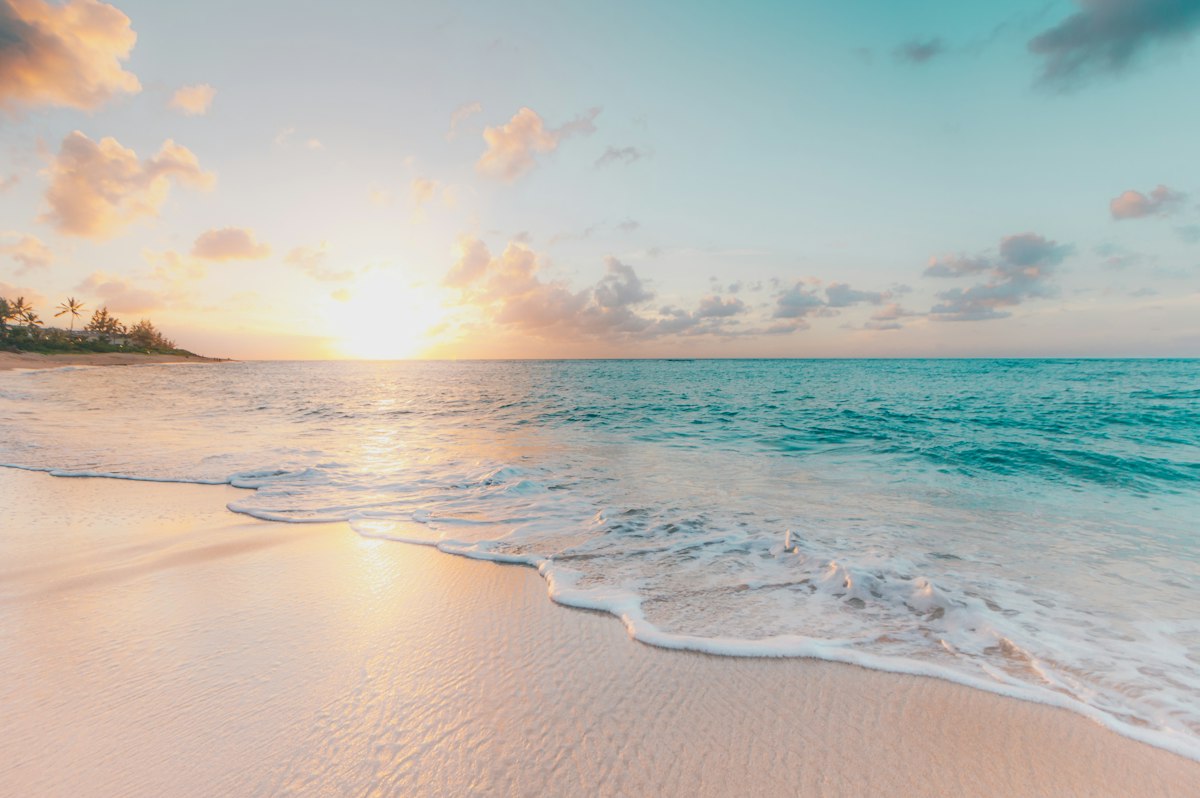
Some places in Devon are quietly lovely. Salcombe is not one of them. Salcombe is the kind of place that stops you in your tracks the moment you crest the hill and see the estuary stretching out below — all turquoise water, bobbing sailboats, and green headlands rolling toward the open sea. It looks like it belongs in the Mediterranean, and on a good day, it almost feels like it.
Sitting at the mouth of the Kingsbridge Estuary in the South Hams, Salcombe has long been Devon's most upmarket coastal destination. It's the kind of town where you'll find a yacht chandler next to a boutique selling cashmere, and where the ice cream costs a pound more than it does anywhere else. But beneath the polish, it's a genuinely special place — a working harbour town with world-class beaches, some of the best seafood in the county, and a stretch of coastline that's as dramatic as anything on the South West Coast Path.
It's also the kind of place that feels like an occasion. A day in Salcombe isn't a casual trip — it's an event. Which makes it perfect for the kind of gathering that turns acquaintances into real friends: a birthday celebration, a belated reunion, or simply a day when you want to do something properly.
Getting There from Exeter
Let's be honest: getting to Salcombe requires a bit of effort. There's no railway station — the nearest is Totnes, about twenty miles away — and the roads narrow considerably as you approach the coast. By car from Exeter, it's roughly an hour via the A38 and A381, though in high summer, those last few miles through winding Devon lanes can feel longer.
If you don't have a car, the most practical route is to take the train from Exeter St Davids to Totnes (thirty minutes), then pick up the Stagecoach 164 bus from Totnes to Salcombe, which takes around an hour. The total journey is about two and a half hours with connections, so it's not quick — but the scenery through the South Hams lanes is gorgeous.
The town itself is compact and very walkable, so once you're there, you won't need a car. If you do drive, arrive early — parking is limited and expensive in peak season. The main car parks are Shadycombe and North Sands, and both fill up fast on sunny days.
Salcombe is best as a full-day trip rather than a quick visit. The effort of getting there deserves a long lunch, a beach, and a proper walk. If you're going with a group, consider car-sharing — it's more sociable and solves the parking problem in one go.
The Beaches
Salcombe's beaches are among the finest in Devon — and that's saying something in a county that isn't short of beautiful coast.
North Sands
The most accessible beach from town, North Sands is a gentle, sheltered crescent of golden sand about a fifteen-minute walk from Salcombe's centre (or a short drive down the hill). The beach faces the estuary rather than the open sea, which means the water is calmer and warmer than you'd expect — on a still summer's day, it genuinely looks tropical. There's a cafe right on the beach and a car park nearby, though it fills up fast.
North Sands is ideal for groups. There's enough space to spread out, the swimming is safe, and the walk back up into town afterwards gives you an appetite for dinner.
South Sands
A little further along the coast from North Sands, South Sands is smaller and slightly more secluded. The South Sands Hotel sits right on the beach and serves lunches and afternoon teas with estuary views. It's a more refined vibe than North Sands — the kind of place where you might order a glass of white wine with your sandwich and feel entirely justified.
You can walk between North Sands and South Sands in about fifteen minutes along a lovely coastal path, making it easy to try both in a day.
Mill Bay
Accessible only by the small foot ferry from Salcombe (a two-minute ride — it's been running for centuries), Mill Bay is a National Trust beach on the opposite side of the estuary. It's quieter, wilder, and has the feeling of a secret — which, in fairness, it isn't, because everyone knows about it. But it still feels special.
On the Water
Salcombe is a sailing town to its bones, and getting out on the water is one of the best things you can do here. You don't need to own a yacht or know your bowline from your cleat hitch — there are several options for casual visitors.
Whitestrand Boat Hire and Salcombe Launch Co both offer self-drive motorboat hire on the estuary, with no experience required. You can take a boat for a couple of hours and putter around the creeks and inlets of the Kingsbridge Estuary, stopping at quiet beaches and riverside pubs accessible only by water. They'll give you a map and advice on where to go.
Crabbing is a Salcombe institution. Victoria Quay, near the Fortescue pub, is the most popular spot — buy a crab line and a bit of bacon from one of the harbourside shops, dangle it over the edge, and wait. It's one of those activities that sounds like it's just for children but is actually deeply absorbing for adults too, particularly with a pint nearby.
For something more ambitious, kayak and paddleboard hire is available from several operators around the harbour. The estuary is sheltered and relatively flat, making it a good spot even for beginners.
Coastal Walks
The South West Coast Path runs right through Salcombe, and the sections either side of town are among the most beautiful on the entire 630-mile trail.
The walk from Salcombe to Soar Mill Cove is a favourite — about four miles along the cliff tops with views out to sea that are genuinely breathtaking. The terrain is hilly but manageable, and Soar Mill Cove itself is a beautiful sandy beach backed by cliffs. You can either walk back the same way or arrange a taxi.
The walk to Bolt Head from South Sands is shorter (about two miles return) but equally dramatic, with sheer cliff drops and views across the estuary mouth. It's the kind of walk that makes you feel properly alive, especially on a breezy day.
If you're visiting with a group and want a walk that doubles as proper socialising, the Bolt Head route is perfect — it's short enough that everyone can manage it, dramatic enough to be memorable, and there's a pub waiting back in town.
Overbeck's Garden
Perched on the hillside above South Sands, Overbeck's is a National Trust property with some of the most extraordinary subtropical gardens in England. The steep, terraced gardens face south and benefit from an unusually mild microclimate, which means plants that would never survive elsewhere in Devon thrive here — palms, banana plants, agaves, and exotic flowering shrubs from around the world.
The gardens were shaped by Otto Overbeck, a scientist and collector who lived here until his death in 1937 and bequeathed the property to the National Trust. The house contains his eccentric collection of curiosities, including toys, natural history specimens, and maritime artefacts. A giant polyphon music box from the 1870s is played in the cactus conservatory every Thursday and Sunday.
The views from the garden terraces are spectacular — across the estuary, out to sea, and along the coastline. It's the kind of place where you can spend an hour just sitting on a bench and staring. National Trust members get free entry; for everyone else, there's an admission charge.
Overbeck's Garden is a short walk uphill from South Sands beach, so you can easily combine the two. Visit the beach first, then walk up to the garden in the afternoon when the light is at its best and the views are golden.
Where to Eat
Salcombe's restaurant scene is focused, unsurprisingly, on seafood — and the quality is exceptional. This is a town where the fish was almost certainly swimming that morning.
The Jetty
Located within the Salcombe Harbour Hotel, The Jetty is a fine-dining seafood grill with floor-to-ceiling windows overlooking the estuary. It's recently been awarded gold at the Devon Food and Drink Awards, and the food, service, and setting are all outstanding. The menu focuses on locally landed fish and shellfish — think Salcombe crab, Devon lobster, and impeccably cooked day-boat catches. There's a crustacean bar for oysters and sharing platters, and the terrace is one of the best spots for a sunny afternoon glass of something cold.
This is the restaurant for a special occasion. Book ahead — it's popular, and tables with the best views go quickly.
Dick and Wills
A well-established waterside bar and brasserie right on the estuary front, Dick and Wills serves high-quality local produce with a modern twist. The menu features Salcombe crab, local fish, and Westcountry beef, and the setting is lovely — full-height windows inside, palm-fringed terrace outside with views across the water to the green hills of the South Devon AONB. The atmosphere is relaxed but polished, and it works equally well for a long lunch or an evening meal.
Captain Flint's
For something more casual and family-friendly, Captain Flint's has been a Salcombe fixture since 1989. Homemade pizzas, burgers, fresh fish and seafood, pasta, Aberdeen Angus steaks, and ice cream specials — it's the kind of restaurant where everyone in your group will find something they want. The prices are reasonable by Salcombe standards, and the atmosphere is cheerful and unfussy.
For the best fish and seafood in the wider Devon area, Salcombe is hard to beat — the freshness and quality of the catch here is genuinely special.
Why Salcombe Is Perfect for Groups
There's a reason Salcombe keeps coming up when people plan celebrations, reunions, and group weekends. The town is compact enough that you won't lose anyone, varied enough that you can split up and regroup, and beautiful enough that simply being there feels like a treat.
A group day in Salcombe might look something like this: arrive mid-morning, coffee and a wander around the harbour, boat hire or a coastal walk before lunch, a long seafood lunch overlooking the water, the beach in the afternoon, and ice cream on the harbour wall before heading home. It's not a complicated formula, but it's a near-perfect day — and the kind of shared experience that genuinely strengthens friendships.
The key is to treat Salcombe as an event rather than a quick trip. The journey to get there is part of the experience — particularly if you're squeezed into a car together, navigating Devon lanes and arguing about directions. Some of the best conversations happen in transit.
If budget is a consideration, Salcombe doesn't have to be expensive. Skip the restaurants and bring a picnic to eat on North Sands or Mill Bay — Salcombe has good delis for picking up supplies. Crabbing is practically free, the coastal walks cost nothing, and the ferry to Mill Bay is just a couple of pounds. For more ideas on socialising without breaking the bank, we've got you covered.
Planning Your Visit
Best time to go: May to September for the best weather and warmest water. July and August are busiest — June and September offer the sweet spot of good weather and fewer crowds.
How long you need: A full day minimum. If you can stay overnight, even better — Salcombe at sunset is unforgettable.
Getting there: About an hour by car from Exeter via A38 and A381. By public transport, train to Totnes then Stagecoach 164 bus (about 2.5 hours total).
What to bring: Swimwear (the beaches are too good to miss), sun cream, a warm layer for the evening, and comfortable shoes if you're walking the coast path.
Booking: The Jetty and Dick and Wills both take reservations and are worth booking in advance, especially at weekends and during summer.
Salcombe is Devon at its most dazzling — the kind of place that reminds you why you live in this part of the world, or makes you seriously consider moving here. It takes a bit of effort to reach, but the effort is the point. The best days out are the ones you have to plan, and Salcombe rewards every minute of the planning.