
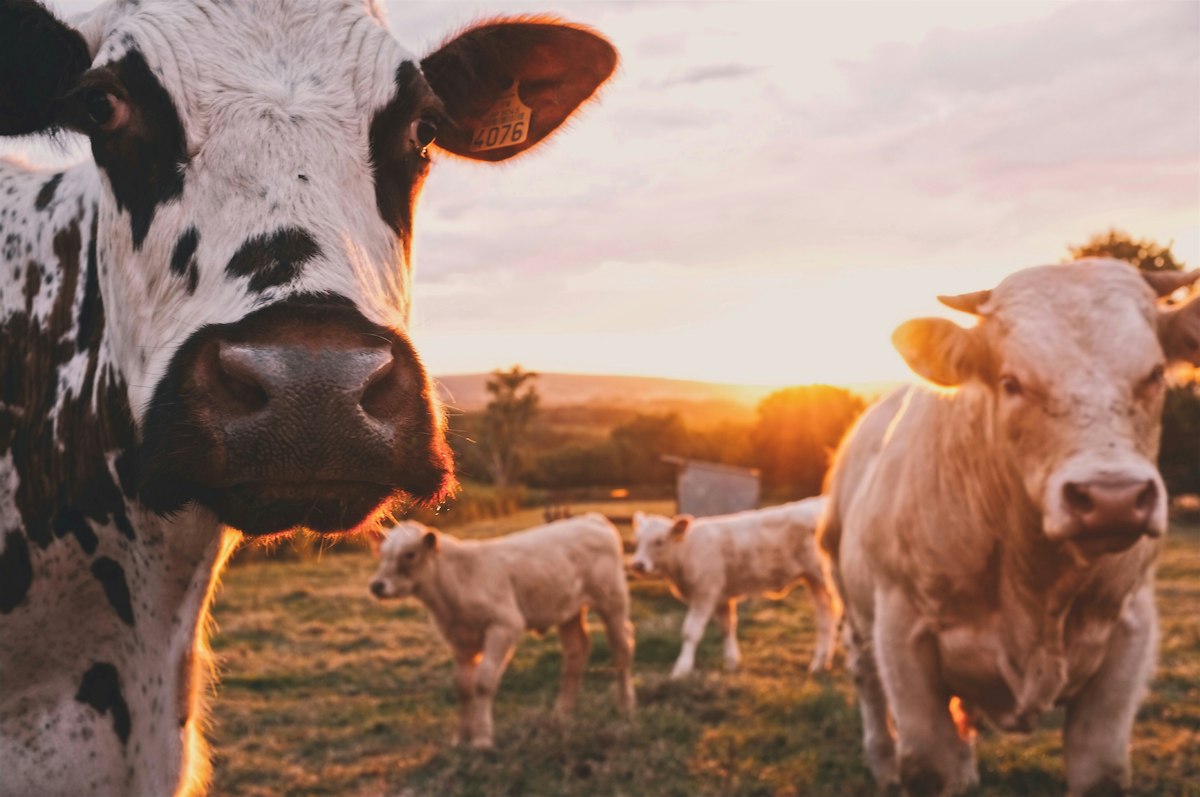
A County Built on Good Food
Devon is one of those places where the food tells you the story of the land. The red soil that gives the county its distinctive colour also gives it some of the richest farmland in England. The mild, damp climate produces grass that stays green year-round, which is why Devon's dairy herds have been famous for centuries. Two separate coastlines, north and south — Devon is the only English county with both — deliver some of the finest seafood in the country. And the people who farm, fish, brew and bake here have been doing it long enough to know what they're about.
This isn't a county that needed to reinvent itself as a foodie destination. Devon has always been one. Devon has a strong claim to the origins of the cream tea, though Cornwall will argue the point. The cider tradition goes back hundreds of years. The fishing ports have been landing catches since the Middle Ages. What's changed is that people are paying attention again — to where their food comes from, who made it, and what it tastes like when it's been produced with genuine care rather than industrial efficiency.
If you live here, or you're visiting, understanding Devon's food heritage isn't just interesting — it deepens every meal you eat. When you know that the cheese on your board was made three miles away from milk produced by cows you could practically wave at from the road, something shifts. The meal becomes more than fuel. It becomes a connection to a place and the people in it.
The Devonshire Cream Tea: Cream First, Always
Let's get the important business out of the way. In Devon, the cream goes on first. You split your scone, spread a generous layer of clotted cream, and then add a spoonful of strawberry jam on top. Cornwall does it the other way round, and the two counties have been arguing about it for roughly a thousand years.
The tradition of eating bread with cream and jam has its roots in Tavistock Abbey, where monks are believed to have rewarded workers with bread topped with clotted cream and strawberry preserves as far back as the eleventh century. Back then, jam was considerably more expensive than cream — which is partly why the Devonshire method involves a hearty layer of cream with a more modest helping of jam.
Clotted cream itself is extraordinary stuff. It's made by slowly heating cream or milk until a thick, golden crust forms on the surface. Under the Cheese and Cream Regulations 1995, anything sold as clotted cream must be at least 55% milk fat — one of the highest thresholds of any cream in British law. The resulting texture is somewhere between butter and whipped cream, with a richness that is genuinely unlike anything else. There is a well-worn local story that the technique arrived with Phoenician traders two thousand years ago; it is a good story, but no firm evidence supports it.
Langage Farm, near Plympton, is one of the county's best-known producers. The Harvey family started making clotted cream there for a local shop in 1980, from their own Jersey and Guernsey herd. For a cream tea done right, pair the cream with scones from a local bakery — not the supermarket shelf — and proper strawberry jam, preferably homemade.
If you want the definitive Devon cream tea experience, visit one of the county's farm cafes rather than a chain tearoom. Occombe Farm near Paignton serves a traditional Devon cream tea, and the café is run by the Torbay Coast and Countryside Trust to raise funds for its conservation work.
Devon Cider: Older Than You Think
Devon's cider tradition runs back centuries, and the county remains one of the heartlands of English cider production. The mild climate and rich soil produce the bittersweet and bittersharp apple varieties — names like Dabinett, Tremlett's Bitter, and Yarlington Mill — that give proper farmhouse cider its distinctive tannic character.
Sandford Orchards in Crediton is one of Devon's standout producers. Autumn 2026 marks their twenty-fifth harvest, and they work out of a mill in the town that they describe as the oldest working cider mill in the country. Their range spans from the crisp and sessionable Devon Red to more complex, oak-aged ciders, and they run guided tours and tastings at the Cider Works. Check their booking page for what is currently running.
Sam's Cider at the Winkleigh Cider Company traces its cider-making on site back to 1916, when Sam Inch started pressing at Western Barn. All their apples are sourced from within a twenty-five mile radius, and the juice goes into hundred-year-old oak vats to mature for a minimum of twenty-four weeks. The cider has the kind of honest, farmyard character that mass-produced brands can't begin to replicate; the Tallet Cafe on site tells the story on its walls.
Luscombe Drinks at Buckfastleigh began life in 1975 as a cider and apple juice producer, and in 1998 became the first drinks brand in the UK to achieve organic accreditation. They no longer sell cider — the range today is juices, crushes, ginger beer and mixers — but their English apple juice is the best non-alcoholic thing to put on a Devon table alongside a cheeseboard.
Sharpham: Wine and Cheese from the Dart Valley
The Sharpham name is one of Devon's most remarkable food stories: a vineyard and a cheese dairy that both began on the same estate on the banks of the River Dart, a couple of miles south of Totnes, and both of which have since moved off it.
Grapes were first planted at Sharpham in 1981, when thirteen varieties were trialled on the west bank of the Dart and the little-known Madeleine Angevine showed the most promise. The estate built a reputation for aromatic, characterful English wines — Madeleine Angevine and Bacchus alongside Pinot Noir. In spring 2022, with the lease expiring, the winery and visitor centre relocated three kilometres downriver to Sandridge Barton, just south of Stoke Gabriel on the east bank, where visitors can now taste the full range in a beautiful setting above the valley. Sandridge Barton Wines is the name over the door; Sharpham Wine is what is in the bottle.
Sharpham's cheeses have followed a similar path. Cheesemaking started on the estate in 1981 and Sharpham Brie was born the following year, made from the milk of a Jersey herd the founder had moved down from Essex. In 2024 the dairy moved to a larger, purpose-built site at the South Devon Food Hub at Longcombe, near Totnes. The range still centres on the soft, creamy Sharpham Brie and the crumbly, tangy Sharpham Rustic, alongside Camembert, Cremet, Ticklemore and others; the cow's milk comes from their own herd, and the goats' and ewes' milk from local family farms.
Quicke's: Cheddar as It Should Be
The Quicke family have been farming at Home Farm near Newton St Cyres, just outside Exeter, for more than 450 years — the land has been in the family since the reign of Henry VIII. Mary Quicke is the fourteenth generation to farm it, and she has become one of the most important figures in British artisan cheese. Quicke's cheddar is extraordinary.
Milk from the previous day's milkings goes into the vats in the small hours, a starter culture is added to raise the acidity, and the cheese is then cloth-bound and matured for months — typically twelve to fifteen — in the traditional manner that gives it a complex, nutty, earthy flavour completely unlike the rubbery blocks you find in supermarkets.
Quicke's produce several varieties, from their Mature Cheddar to the Vintage and a smoked cheddar, but the clothbound mature is the one that makes cheese lovers go quiet for a moment. It's the kind of cheese that reminds you what cheddar was supposed to taste like all along.
A good Devon cheese counter — the one at Darts Farm near Topsham is the obvious one to try, ten minutes from Exeter — will get you most of the way to a world-class cheese board without a long drive. Add a bottle of Sharpham wine and some proper oatcakes, and you've got a meal that needs no further embellishment.
From the Sea: Brixham Fish and Devon Crab
Brixham has been a fishing town for centuries, and it is credited as one of the birthplaces of trawling. Today its market describes itself as England's largest fish market by value of fish sold: 2025 was a record year at £77 million, up from £62 million in 2024, across nearly 14,000 tonnes. Buyers come from across Britain and Europe for the quality of the catch, which regularly includes over forty species — Dover sole, lemon sole, monkfish, turbot, squid, cuttlefish, and the famous Brixham crab.
Devon crab, in particular, deserves its own paragraph. The brown crabs caught off the Devon coast have a sweetness and richness that is hard to match. Dressed crab on toast, with a squeeze of lemon and a scattering of fresh herbs, is one of the simplest and most perfect things you can eat in this county. If you visit Exeter's food markets, you'll often find local fishmongers selling fresh Brixham crab that was in the sea that morning.
From the Moor: Dartmoor Lamb and Devon Beef
Dartmoor's open moorland has been grazed by sheep and cattle for centuries. The lamb that comes from these animals — hardy breeds like the Scotch Blackface and Greyface Dartmoor that thrive on the rough heather and grass of the moor — has a distinctive, slightly gamey flavour that reflects the wild landscape they feed on. Dartmoor lamb, slow-roasted with garlic and rosemary, is one of Devon's great seasonal pleasures.
Devon beef is equally celebrated. The county's lush pastureland produces grass-fed cattle with a depth of flavour that reflects the quality of the grazing. The traditional breeds — Devon Red, South Devon, and Aberdeen Angus crosses — are reared slowly, often on family farms that have been doing it the same way for generations. The best Devon beef has a marbling and tenderness that comes from animals that have lived well and eaten well, and it's the kind of difference you can taste.
Farm Shops Worth Visiting
Darts Farm, Topsham
Darts Farm is the farm shop against which all other farm shops should be measured. Sitting near the Exe estuary just outside Topsham, it began in 1971 when Ronald Dart opened one of Britain's first pick-your-own enterprises, and it is now run by his sons. The food hall is vast — a proper butchery, delicatessen, drinks cellar, and fresh produce section where much of the fruit and veg is grown on the farm itself.
What makes Darts Farm special is its commitment to provenance. Devon producers are stocked throughout and every product on the shelves has a story behind it. It's the kind of place where you go in for a pint of milk and come out two hours later with a bag full of things you didn't know you needed but are very glad you have.
Occombe Farm, Paignton
Occombe Farm is a working farm, visitor attraction, and community hub run by the Torbay Coast and Countryside Trust. Their farm shop stocks food and drink sourced across Devon and the South West — fresh, chilled and baked goods, plus local wines, beers, ciders and spirits.
The farm café serves breakfasts, lunches and a traditional Devon cream tea, and it is run by the Trust to raise funds for the green spaces it cares for in Torbay. Check current opening times before you set off. It's a genuinely feel-good place to spend a morning, particularly if you have children who want to meet the animals before you sit down to eat them (or, more diplomatically, before lunch).
Why Provenance Matters at the Table
There is a reason we keep coming back to this idea of knowing where your food comes from. It's not snobbery, and it's not a lifestyle choice reserved for people who shop at farmers' markets in linen trousers. It's about the fact that food tastes better when it's been produced with care, and meals feel different when you know the story behind what's on your plate.
When you sit down with friends over a meal made from Devon produce — local cheese, fresh fish, seasonal vegetables from a farm you can actually visit — the conversation naturally deepens. You talk about the food, and then you talk about the place, and then you talk about what matters to you. The meal becomes a shared experience rather than just shared calories, and that's where real connection happens.
Devon gives us the raw materials for that kind of eating. The producers here — the cheesemakers, the cider makers, the farmers and fishermen — have been doing this for generations, and they're still here because what they make is genuinely, measurably better than the alternative. Supporting them isn't just good ethics. It's good eating.
If you want to explore Devon's food heritage socially, make a day of it. Start at a farm shop, pick up ingredients together, and cook something simple with friends that evening. There's something about shopping for food together — discussing what to buy, tasting samples, discovering something new — that turns a meal into a genuine social experience.
If you're looking for more ways to explore Exeter and Devon's food scene, our guide to the best food markets and street food is a good next step. And if you'd like to experience great local food in the company of interesting new people, our supper events are designed to do exactly that.